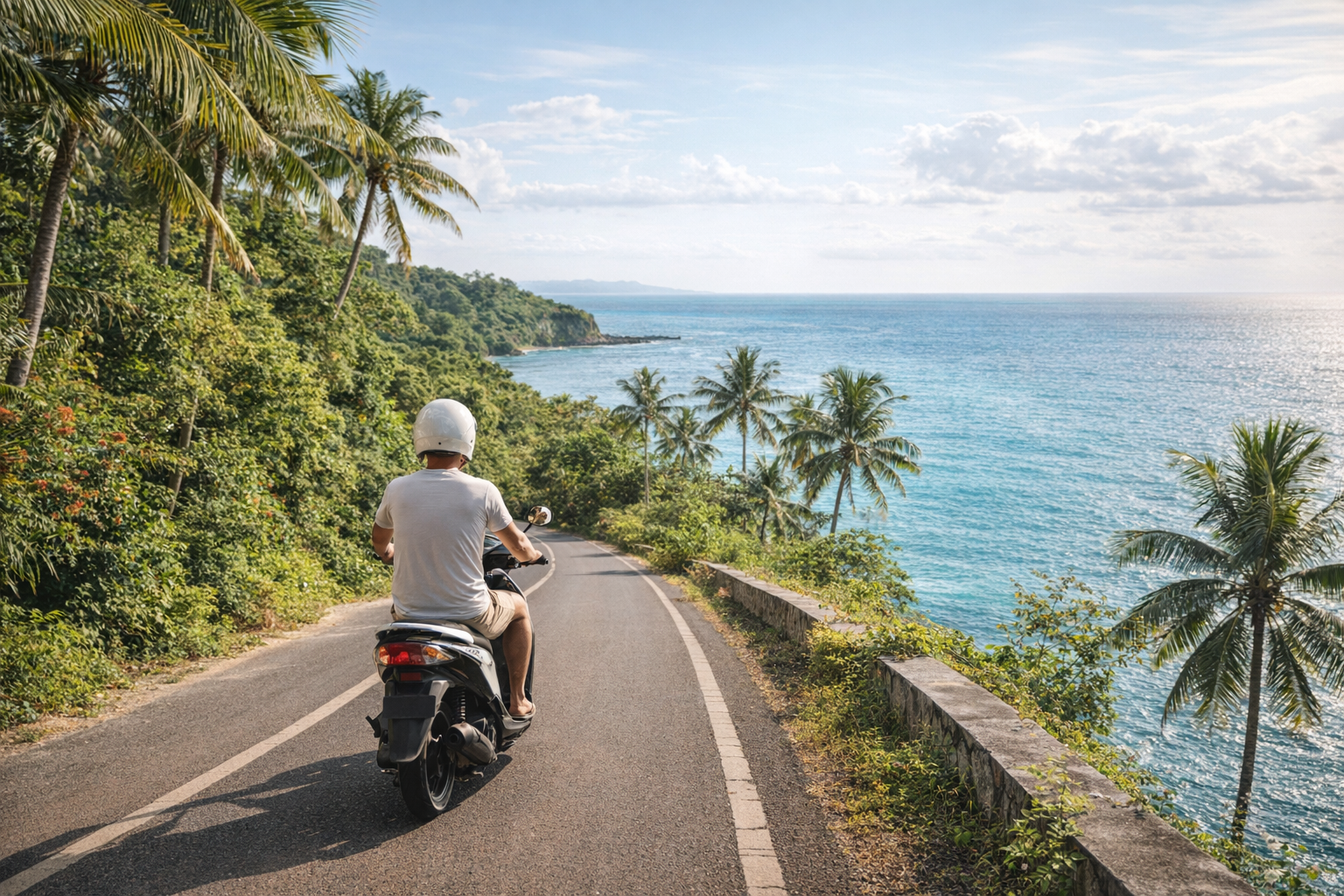
The fantasy of island living is powerful and persistent. A simple house near the water, days shaped by tides rather than meetings, evenings spent watching the sun drop below the horizon with a drink in hand. Social media has amplified this vision to the point where "quit my job and move to an island" has become a genre of content in its own right. But what does island life actually look like when the honeymoon period fades?
The First Six Months Are Wonderful
There's no denying it: the initial period of island life is genuinely magical. Everything feels novel. The morning light, the slower pace, the way strangers wave at you on the road. Your stress levels drop measurably. Your sleep improves. You find yourself reading books again. According to JLL's property research, demand for island properties has increased by 22 percent since 2020, driven largely by professionals seeking this exact quality-of-life improvement.
But novelty wears off. By month four or five, the things that charmed you — the limited restaurant options, the single supermarket, the fact that everyone knows your business — start to feel less quaint and more constraining. This isn't unique to islands; it's the standard arc of any relocation. But islands amplify it because you can't simply drive to the next town for a change of scenery.
Logistics Are Harder Than You Think
Getting things to an island is expensive. A washing machine that costs $600 on the mainland might cost $900 delivered to an island, plus a two-week wait. Fresh produce is pricier and sometimes limited in variety. Amazon Prime doesn't reach most islands with the same speed it reaches cities, and some delivery services simply won't ship to island postcodes.
Healthcare is the logistics challenge that matters most. Small islands typically have a GP surgery or basic clinic, but anything beyond routine care requires a trip to the mainland. That might mean a ferry, a short flight, or in some cases, helicopter evacuation. Families with young children or elderly relatives need to weigh this carefully. A broken arm at 2am on Koh Lanta or the Isle of Mull is a very different proposition than the same injury in Manchester or Melbourne.
Community Is Everything
Island communities are small. This can be wonderful: your neighbours look out for you, local businesses know your name, and there's a sense of belonging that city life rarely provides. But small communities are also difficult to navigate. Social dynamics can be intense. Disputes don't blow over easily when you share a population of 3,000. And if you arrive with the attitude of telling locals how things should be done, you'll find yourself quietly excluded faster than you'd think possible.
The expats and newcomers who thrive on islands tend to share certain traits: they're adaptable, they volunteer locally, they learn at least basic phrases in the local language, and they accept that island infrastructure won't match what they left behind. Those who arrive expecting mainland convenience with added palm trees tend to leave within two years.
Making It Work Long-Term
The people who stay — and love it — usually have one or more of the following: remote work that provides stable income, a genuine passion for outdoor activities like sailing or diving, children who benefit from the freedom and safety that island life offers, or a retirement income that removes financial stress from the equation.
What they also have is realistic expectations. Island living isn't a permanent holiday. It's a different life, with different trade-offs. The sunsets are real. The sense of freedom is real. But so are the power cuts, the limited social scene, and the occasional feeling of being very far from everything you know. Knowing that upfront is what separates the people who settle happily from those who retreat to the mainland feeling disappointed.